
Work And Travel
Employment Reflection
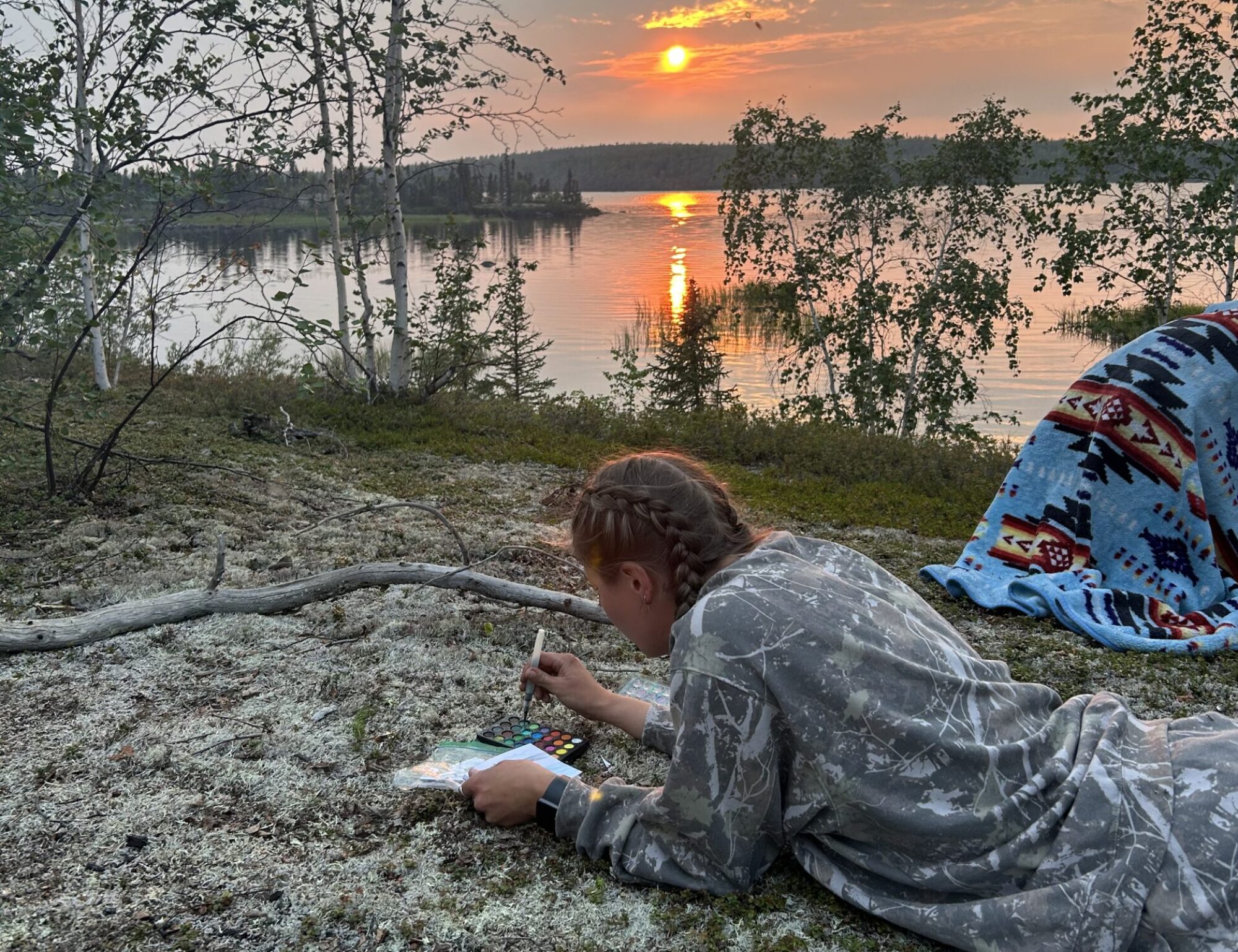
My employment experiences have helped me understand education in a more real and meaningful way. Working as a respite worker taught me patience, empathy, and how to support individuals with diverse and sometimes complex needs. I have also had the opportunity to work with two levels of government in education, where I helped create and organize both English and Indigenous learning resources. This showed me the importance of representation and accessibility in what we provide for students. Through my Early Learning and Child Care program, I was part of a language revitalization initiative and attended an international Indigenous educator conference, where I learned alongside others working to protect and strengthen language. These experiences have shaped my understanding of education as relational, inclusive, and deeply connected to culture and community.
Travel Reflection
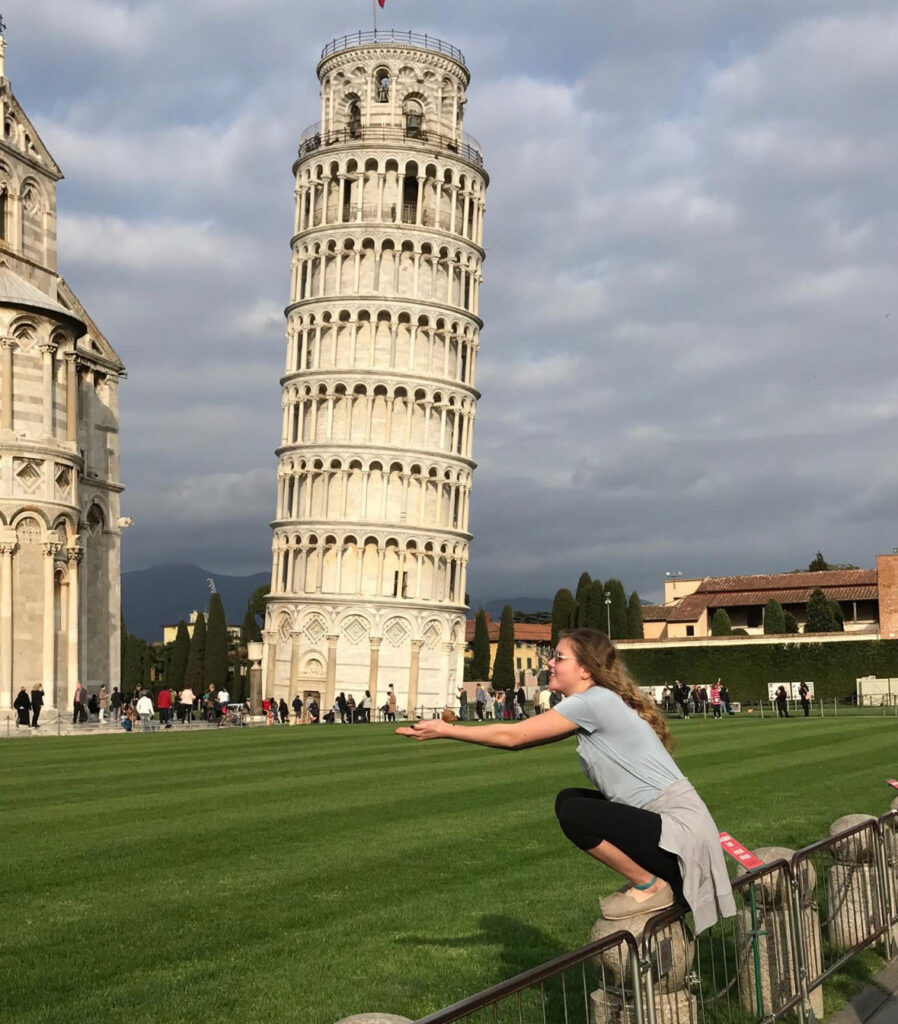
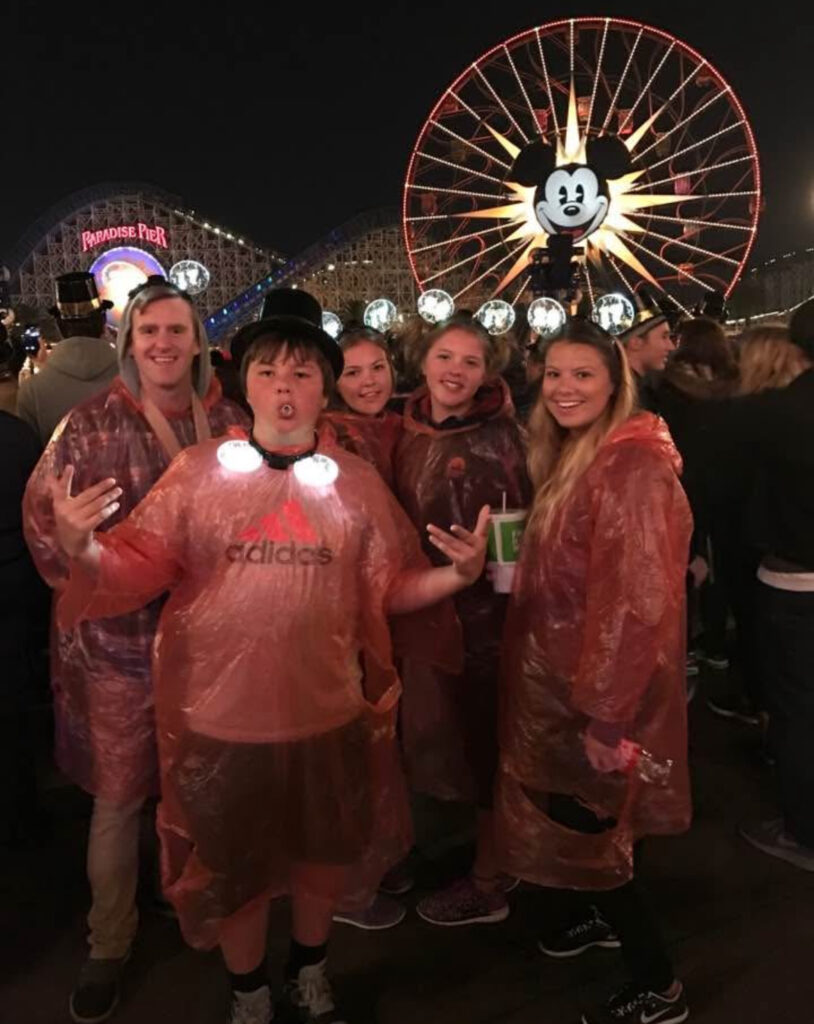
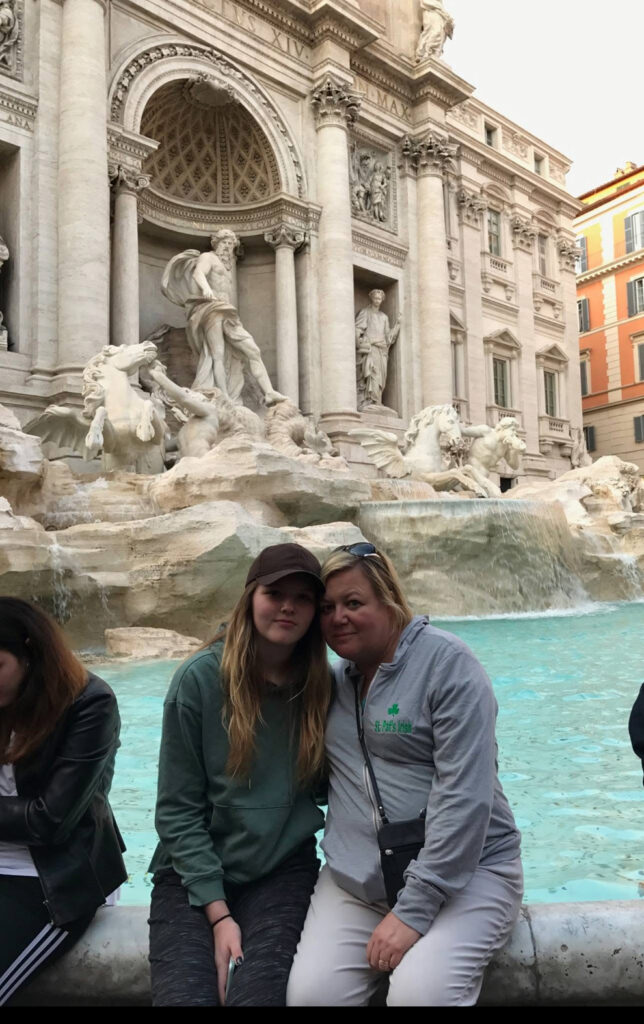
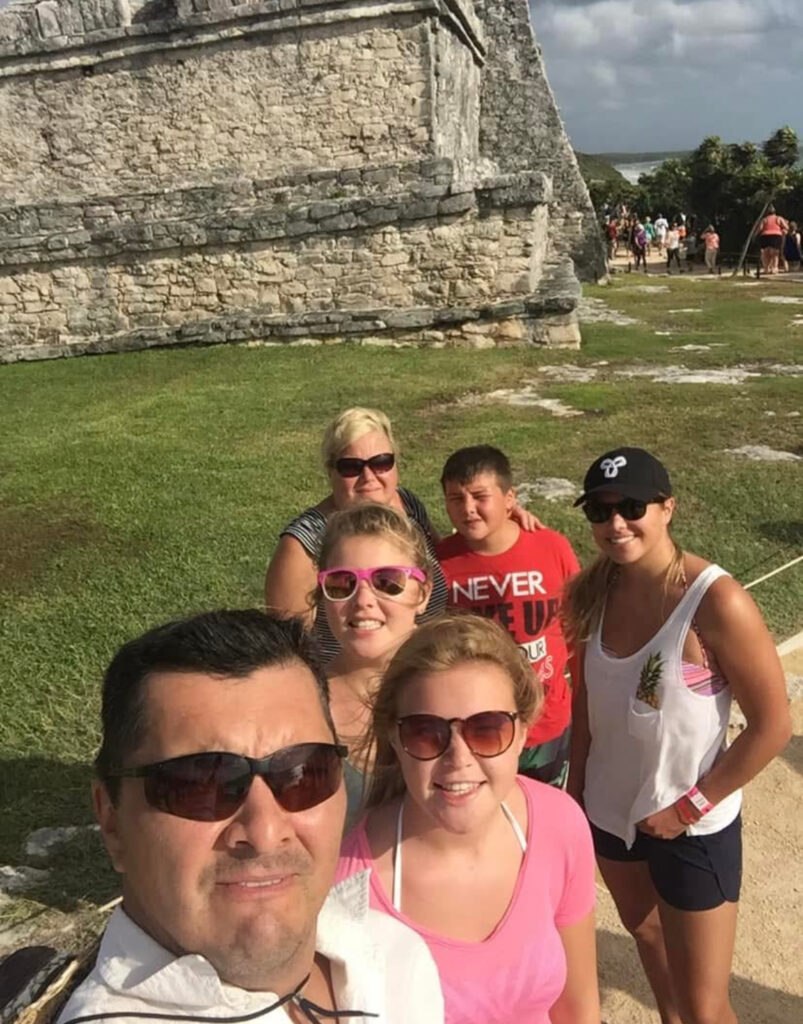
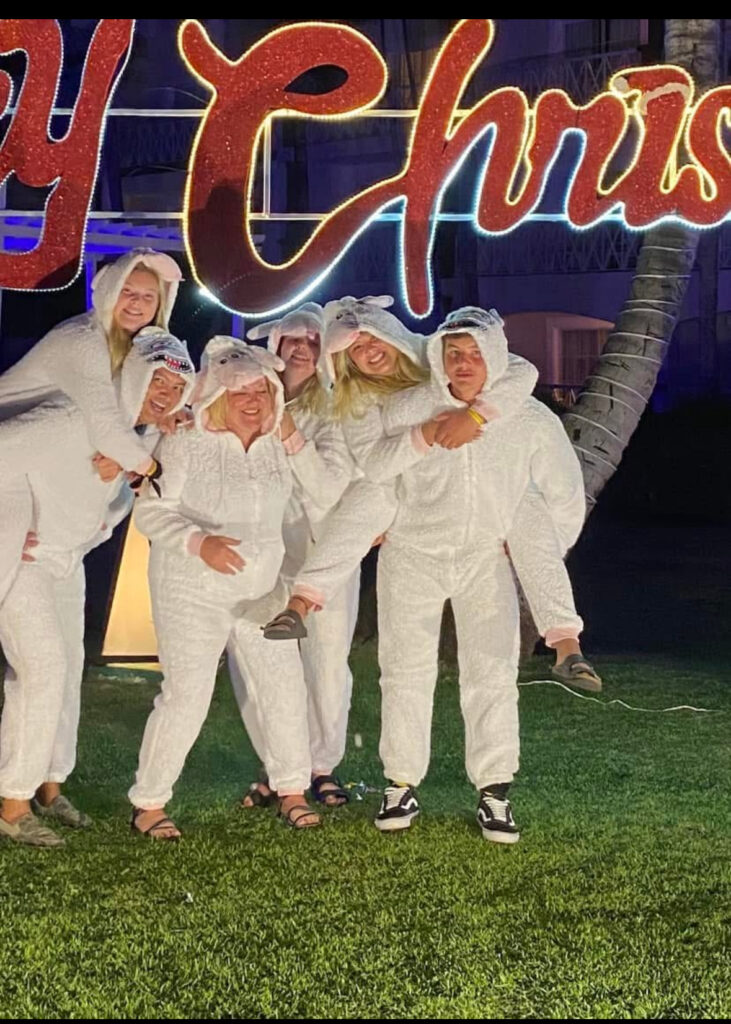
Travel in my life has been about more than just visiting new places—it has been about connection, learning, and perspective. My family makes a strong effort to travel together every Christmas, which has taken me to places like Cuba, Jamaica, Mexico, California, and the Dominican Republic. These trips have shown me how important it is to slow down and prioritize time together. I have also had opportunities to travel for learning, including a school trip to Mexico where I earned my scuba certification, which pushed me out of my comfort zone and built my confidence. Another trip through Europe exposed me to different histories, cultures, and ways of life. Visiting family in Toronto has also helped me experience a different pace and diversity of community. These experiences continue to shape how I understand people, place, and learning.


Creating A Supportive Environment
About My Teaching Practice
- Relationship-focused (ex: building trust through daily check-ins and conversations)
- Safe and inclusive environment (ex: encouraging all students to share and feel heard without judgment)
- Hands-on, meaningful learning (ex: using group work and real-life connections to keep students engaged)
- Support for diverse learners (ex: offering different ways to show understanding like drawing, speaking, or writing)
- Flexible and responsive teaching (ex: adjusting lessons when students need more time or support)
- Whole-child approach (ex: supporting confidence, emotions, and well-being alongside academics)
Each day, this shows up through things like morning check-ins, flexible lesson pacing, and giving students different ways to participate and feel successful.
Classroom Environment
- Welcoming and comfortable space (ex: greeting students at the door and creating a calm atmosphere)
- Strong sense of belonging (ex: co-creating classroom expectations and valuing student voice)
- Flexible learning spaces (ex: seating choices for independent, group, or quiet work)
- Clear and consistent routines (ex: predictable daily schedule to support security and focus)
- Responsive to student needs (ex: providing a quiet area or break space when needed)
- Connection to land and place (ex: incorporating outdoor and land-based learning regularly)
Each day, this looks like consistent routines, choice in where and how students work, and time built in for outdoor or movement-based learning.
Parent & Community Communication
- Open and ongoing communication (ex: regular updates through messages or newsletters)
- Respect for family knowledge (ex: inviting families to share insights about their child)
- Celebrating student growth (ex: sharing positive moments, not just concerns)
- Approachable and supportive presence (ex: being available for informal conversations)
- Community involvement (ex: inviting community members or guest speakers into learning)
- Culturally responsive connections (ex: including local knowledge and perspectives in respectful ways)
Each day, this can look like quick check-ins at pick-up, sharing small successes, and creating opportunities to bring family and community into learning.
Growth Goals
As I continue my journey as an educator, I recognize that teaching is a lifelong learning process. My experiences so far have shaped a strong foundation, but I also know there is always more to learn, reflect on, and improve. My growth goals are grounded in my values of relationship-building, inclusion, and culturally responsive practice.
One of my main goals is to continue strengthening my ability to support diverse learners, especially students with different learning needs such as ADHD and learning disabilities. Through my own experiences and watching my younger brother navigate school, I understand how important it is for students to feel capable and supported. I want to keep learning new strategies that allow me to adapt my teaching so that every student can succeed in a way that works for them.
Another goal of mine is to deepen my understanding of Indigenous, land-based, and community-connected learning. Coming from the Tłı̨chǫ region, I value the importance of learning from the land, community, and lived experiences. I want to continue building respectful relationships and ensuring that I am creating space for students to connect with who they are and where they come from in meaningful ways.
I also hope to continue growing my confidence in classroom leadership and lesson delivery. While I have had many positive experiences through coaching, babysitting, and my practicum, I want to keep developing my voice as an educator and feel more confident in leading a classroom independently. This includes improving my classroom management strategies in ways that are supportive, not punitive, and that focus on building trust and understanding.
Lastly, I want to continue reflecting on my practice and being open to feedback. I believe that some of the most meaningful growth comes from being honest about what is working and what is not. My goal is to remain flexible, open-minded, and committed to becoming the best educator I can be for my students.
Overall, my goal is to continue growing into a teacher who creates a safe, inclusive, and engaging learning environment where all students feel seen, valued, and capable of success.
SEL classroom management
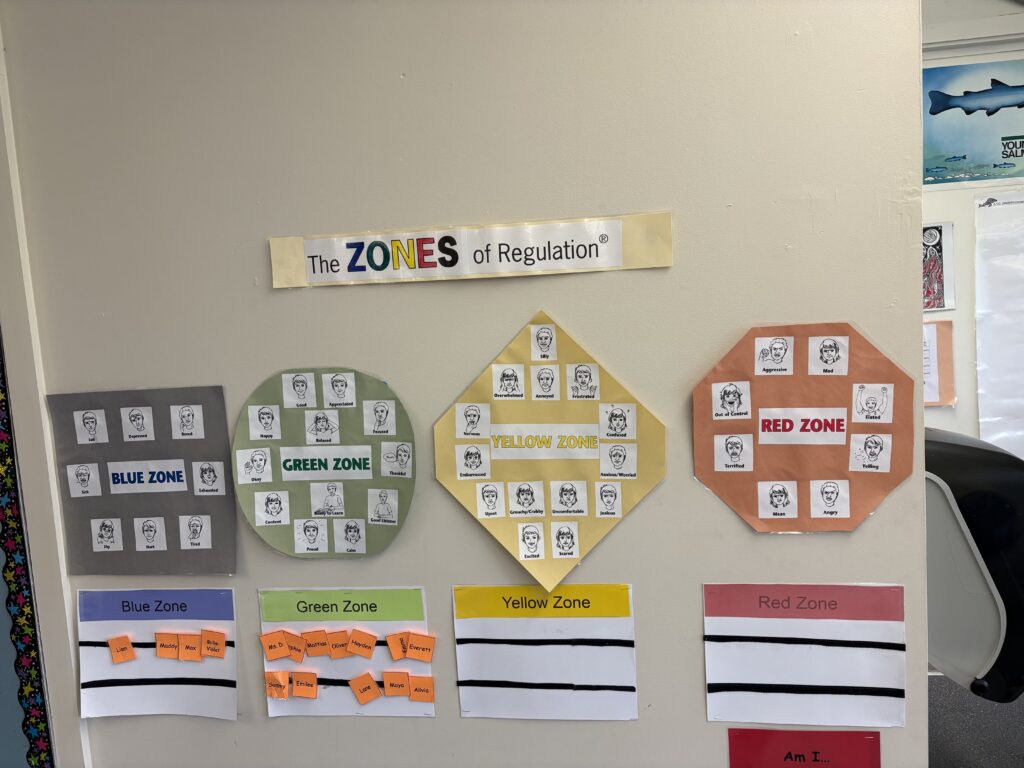
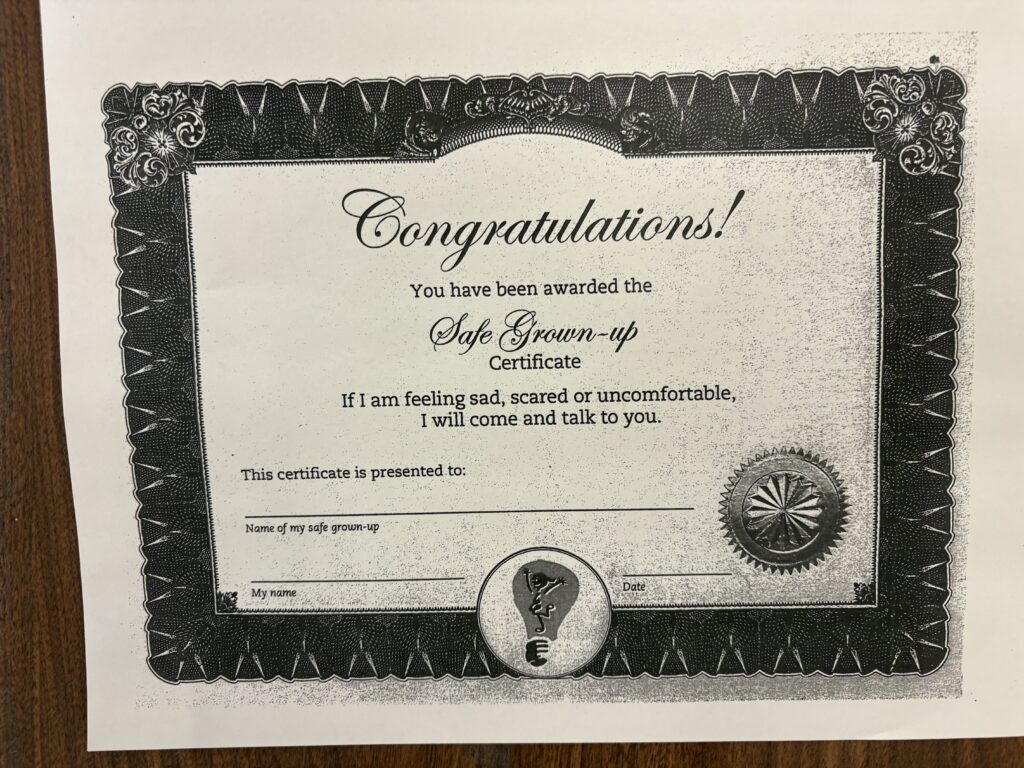
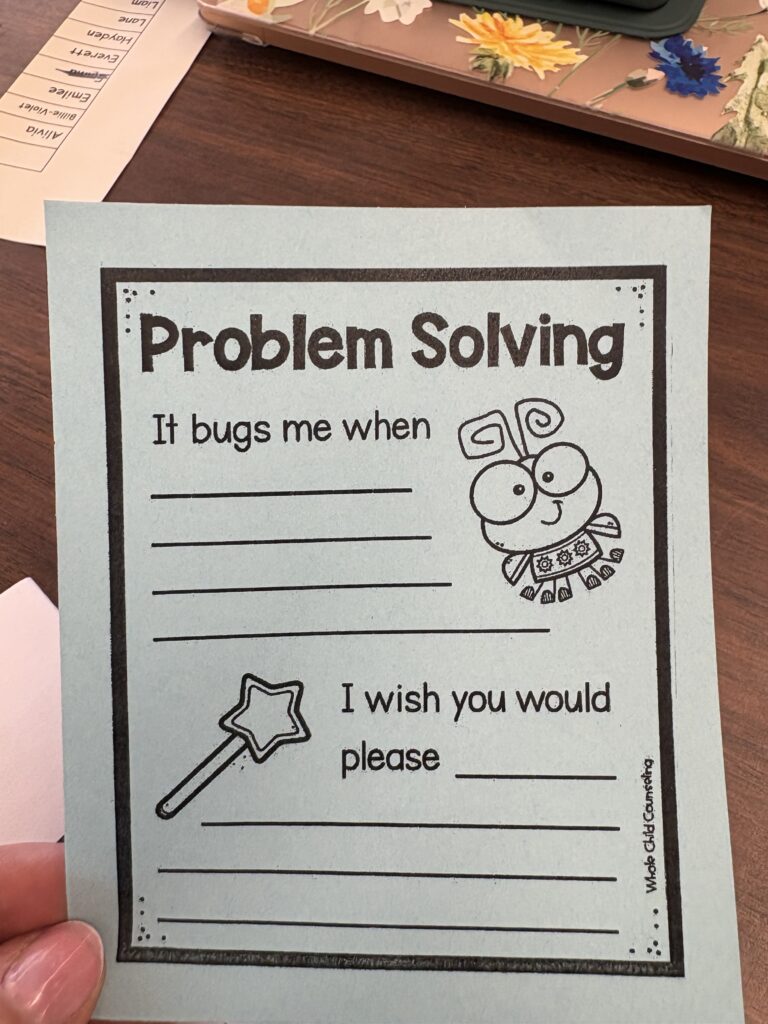
Social emotional learning is not something that should only happen during one lesson or a specific time of day. It is something that needs to be practiced continuously through everyday routines and interactions. In my classroom, I believe that students learn best when they feel safe, supported, and understood, and this comes from building strong relationships and creating consistent, caring environments. Practicing social emotional learning throughout the day allows students to develop skills like self-awareness, emotional regulation, empathy, and communication in natural and meaningful ways.
In my classroom, I would embed social emotional learning into our daily schedule in simple and intentional ways. For example, I would start each day with a morning circle or check-in where students have the opportunity to share how they are feeling. This could be done through talking, using a feelings chart, or even just showing with their hands. This routine helps students feel seen and gives me a better understanding of how to support them that day. During transitions, I would use calming strategies like breathing exercises or quiet music to help students regulate their emotions and prepare for the next activity.
Throughout lessons, I would encourage group work and collaborative activities where students can practice communication, problem-solving, and respecting different perspectives. If conflicts come up, I would treat them as learning opportunities by guiding students through conversations where they can express their feelings, listen to others, and work toward solutions together. I would also model emotional language and self-regulation by naming my own feelings and showing students how to respond in a calm and respectful way.
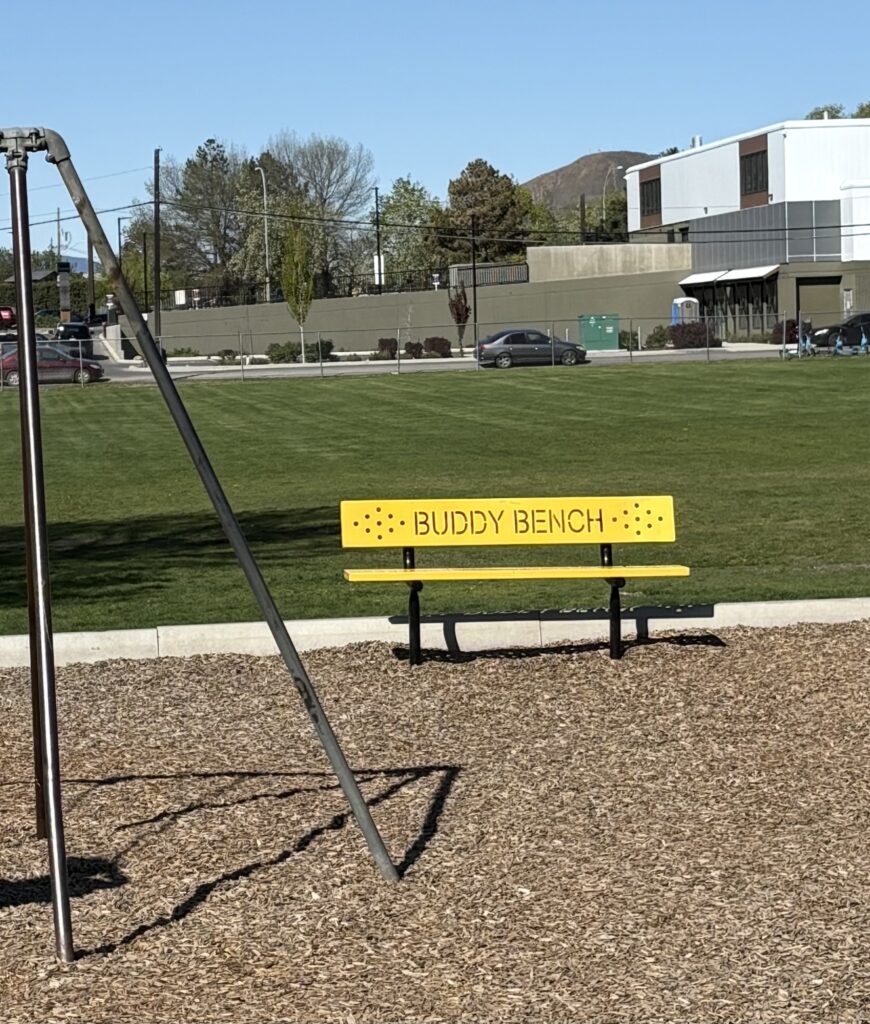
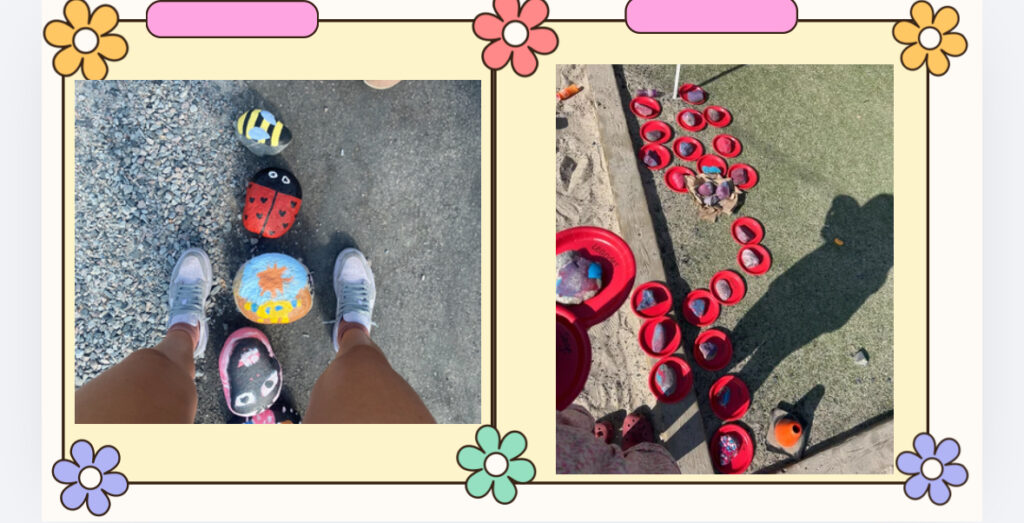
During outdoor learning or play-based time, I would support students in building relationships, taking turns, and including others. These moments are often where students naturally practice social skills, and my role would be to guide and support when needed. At the end of the day, I would include a short reflection or closing circle where students can share something they learned, something they are proud of, or how they are feeling.
Overall, by embedding social emotional learning into everyday routines, it becomes a natural part of the classroom rather than an add-on. This approach supports the whole child and helps students build the skills they need not only for school, but for life.
Other activities
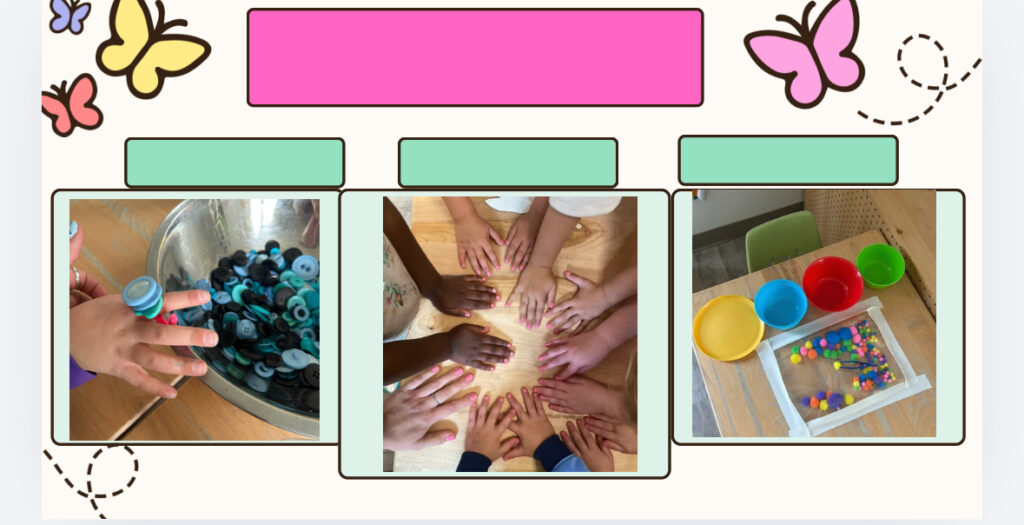
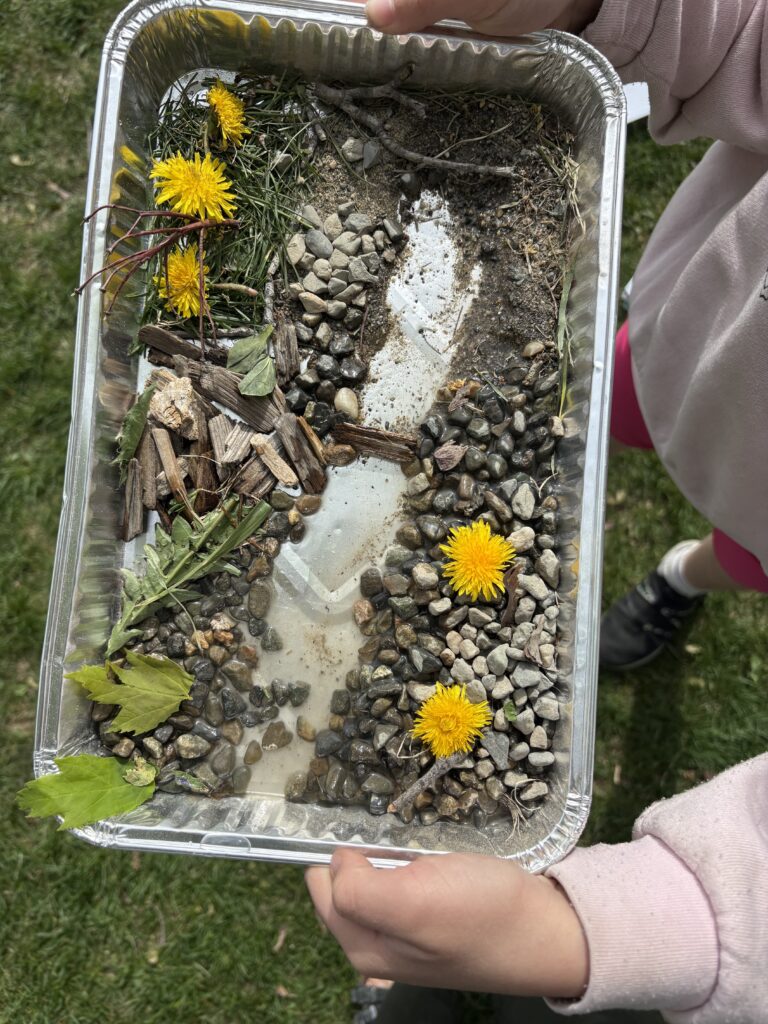
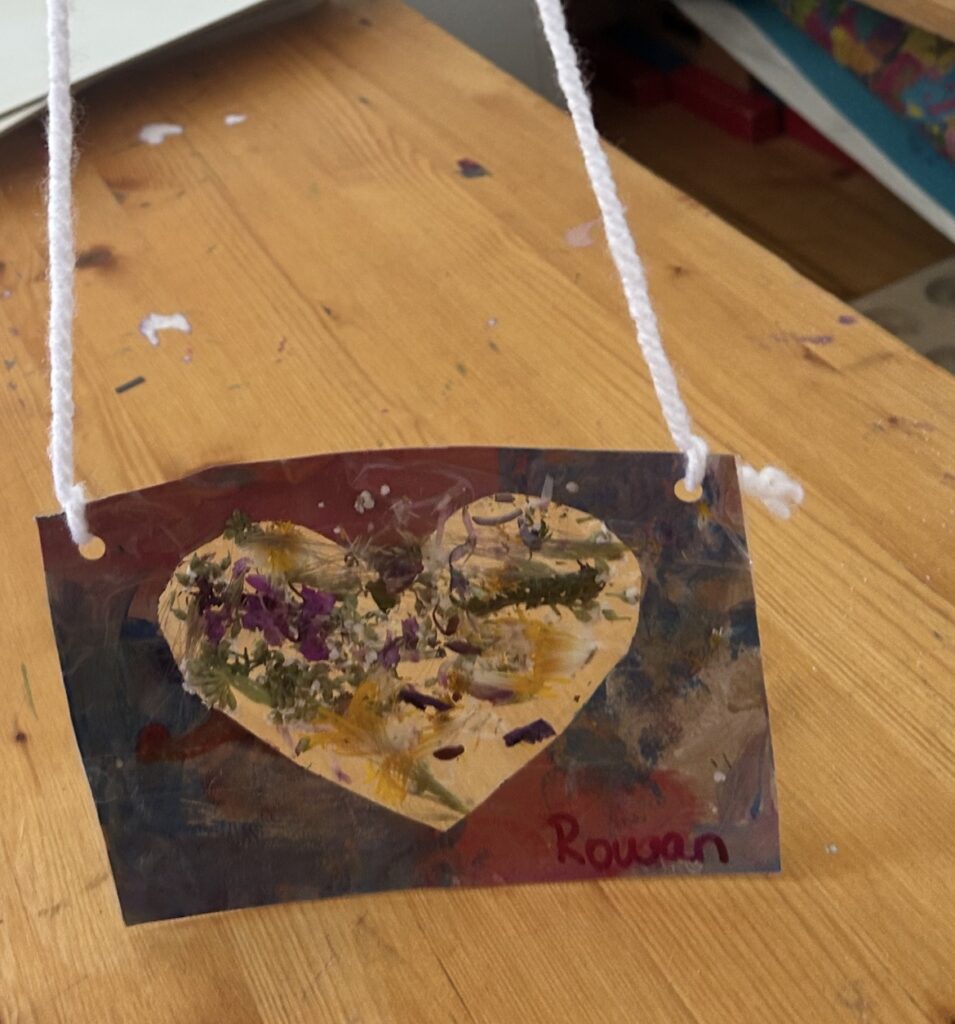
Inquiry based assignment
Extra Artifacts
Unit Plans
Foundations Of My Philosophy
Foundations of My Philosophy
The following quotes reflect key ideas that shape my understanding of teaching and learning. They connect closely to my values around relationships, responsiveness, and supporting the whole child.
“Educating the mind without educating the heart is no education at all.”
— Aristotle
“A good teacher must be able to put himself in the place of those who find learning hard.”
— Eliphas Levi
“The goal of early childhood education should be to activate the child’s own natural desire to learn.”
— Maria Montessori
“Children have an absorbent mind. They absorb knowledge from the environment without fatigue.”
— Maria Montessori
“If a child can’t learn the way we teach, maybe we should teach the way they learn.”
— Ignacio Estrada
Connection to My Educational Philosophy
These quotes reflect my belief that education goes beyond academics and must also support the emotional, social, and cultural well-being of each child. I value building strong relationships with students and creating learning environments where they feel safe, supported, and understood. Like Aristotle’s quote suggests, educating the heart is just as important as educating the mind, and I strive to create spaces where students feel a sense of belonging.
I also believe that every child learns differently, and it is my role as an educator to be flexible and responsive in how I teach. The idea of meeting students where they are, and adapting to their needs, connects strongly to my experiences working with children in diverse settings. I have seen how meaningful it is when learning is shaped around the child, rather than expecting the child to fit into one way of teaching.
The Montessori quotes resonate with my belief in hands-on, experiential learning and the importance of environment. I believe that children are naturally curious and capable, and when they are provided with supportive, engaging spaces, they are able to explore, discover, and grow in meaningful ways.
Overall, these ideas connect to my commitment to relationship-based, culturally responsive, and place-based learning. As an Indigenous student and future educator, I aim to create learning environments that honour each child’s identity, experiences, and connection to community, while supporting their natural desire to learn and grow.
References
Aristotle. (n.d.)
Estrada, I. (n.d.)
Levi, E. (n.d.)
Montessori, M. (n.d.)