

Social emotional learning is not something that should only happen during one lesson or a specific time of day. It is something that needs to be practiced continuously through everyday routines and interactions. In my classroom, I believe that students learn best when they feel safe, supported, and understood, and this comes from building strong relationships and creating consistent, caring environments. Practicing social emotional learning throughout the day allows students to develop skills like self-awareness, emotional regulation, empathy, and communication in natural and meaningful ways.
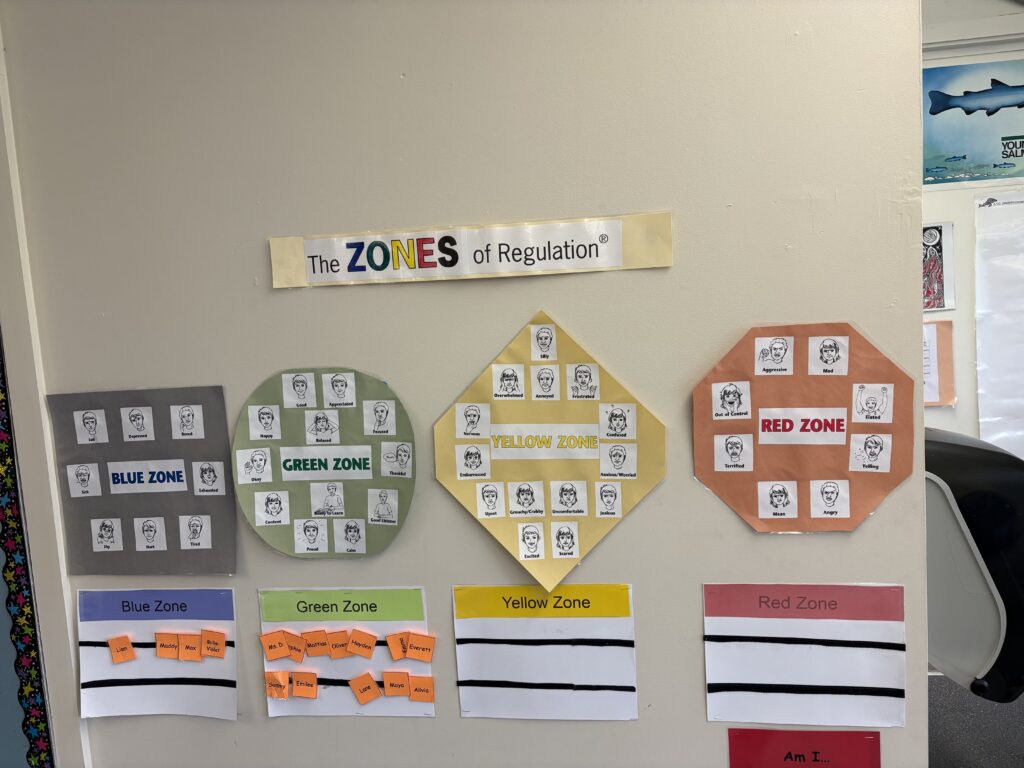
In my classroom, I would embed social emotional learning into our daily schedule in simple and intentional ways. For example, I would start each day with a morning circle or check-in where students have the opportunity to share how they are feeling. This could be done through talking, using a feelings chart, or even just showing with their hands. This routine helps students feel seen and gives me a better understanding of how to support them that day. During transitions, I would use calming strategies like breathing exercises or quiet music to help students regulate their emotions and prepare for the next activity.
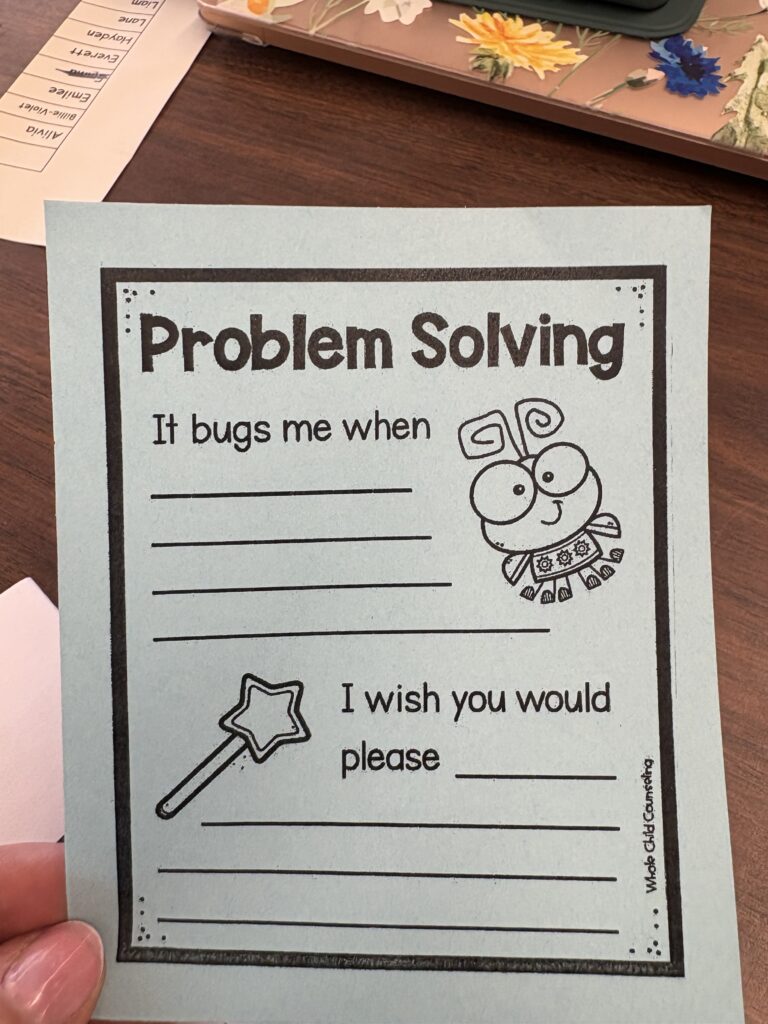
Throughout lessons, I would encourage group work and collaborative activities where students can practice communication, problem-solving, and respecting different perspectives. If conflicts come up, I would treat them as learning opportunities by guiding students through conversations where they can express their feelings, listen to others, and work toward solutions together. I would also model emotional language and self-regulation by naming my own feelings and showing students how to respond in a calm and respectful way.
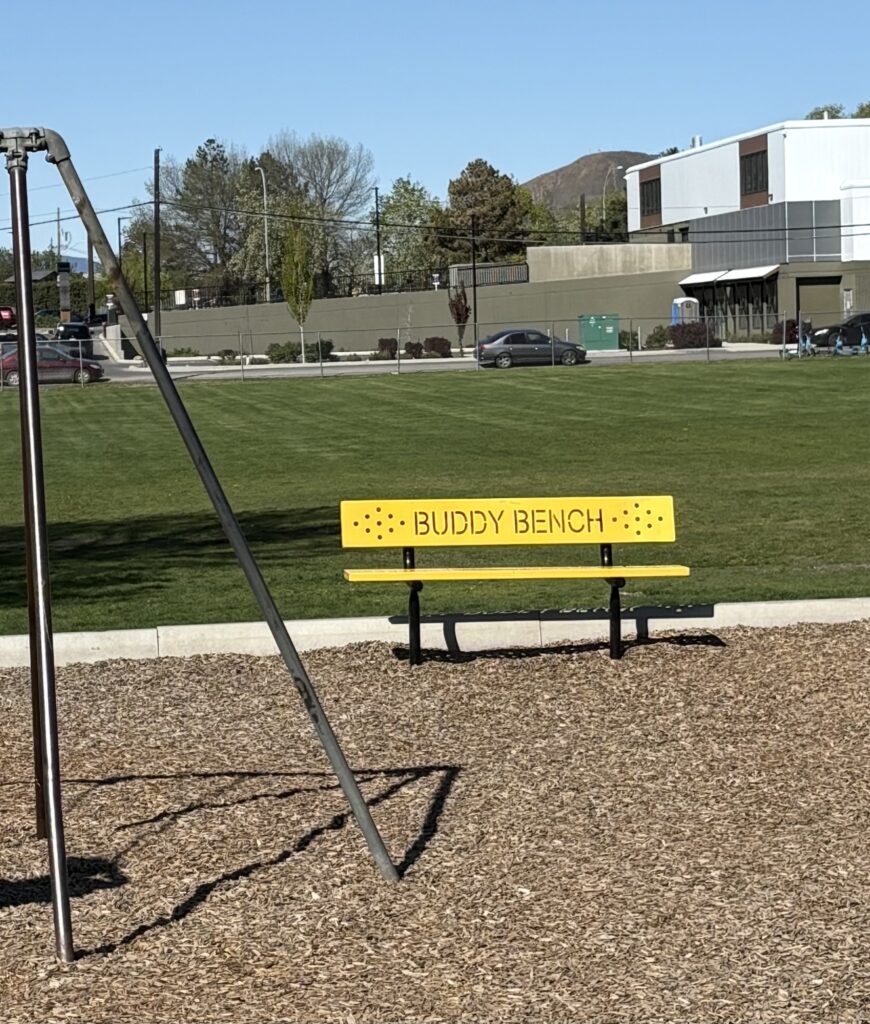
During outdoor learning or play-based time, I would support students in building relationships, taking turns, and including others. These moments are often where students naturally practice social skills, and my role would be to guide and support when needed. At the end of the day, I would include a short reflection or closing circle where students can share something they learned, something they are proud of, or how they are feeling.
Overall, by embedding social emotional learning into everyday routines, it becomes a natural part of the classroom rather than an add-on. This approach supports the whole child and helps students build the skills they need not only for school, but for life.