
“We call upon the federal, provincial, and territorial governments, in consultation and collaboration with Survivors, Aboriginal peoples, and educators to:
62 i. Make age-appropriate curriculum on residential schools, Treaties, and Aboriginal peoples’ historical and contemporary contributions to Canada a mandatory education requirement for Kindergarten to Grade Twelve students”
(TRC, 2015)
Reflection – Call to Action
The Truth and Reconciliation Commission’s Call to Action emphasizes the importance of teaching students about Indigenous histories, cultures, and experiences in meaningful and respectful ways. I believe this learning is important in the early years, as it helps students develop a sense of respect, understanding, and connection to others.
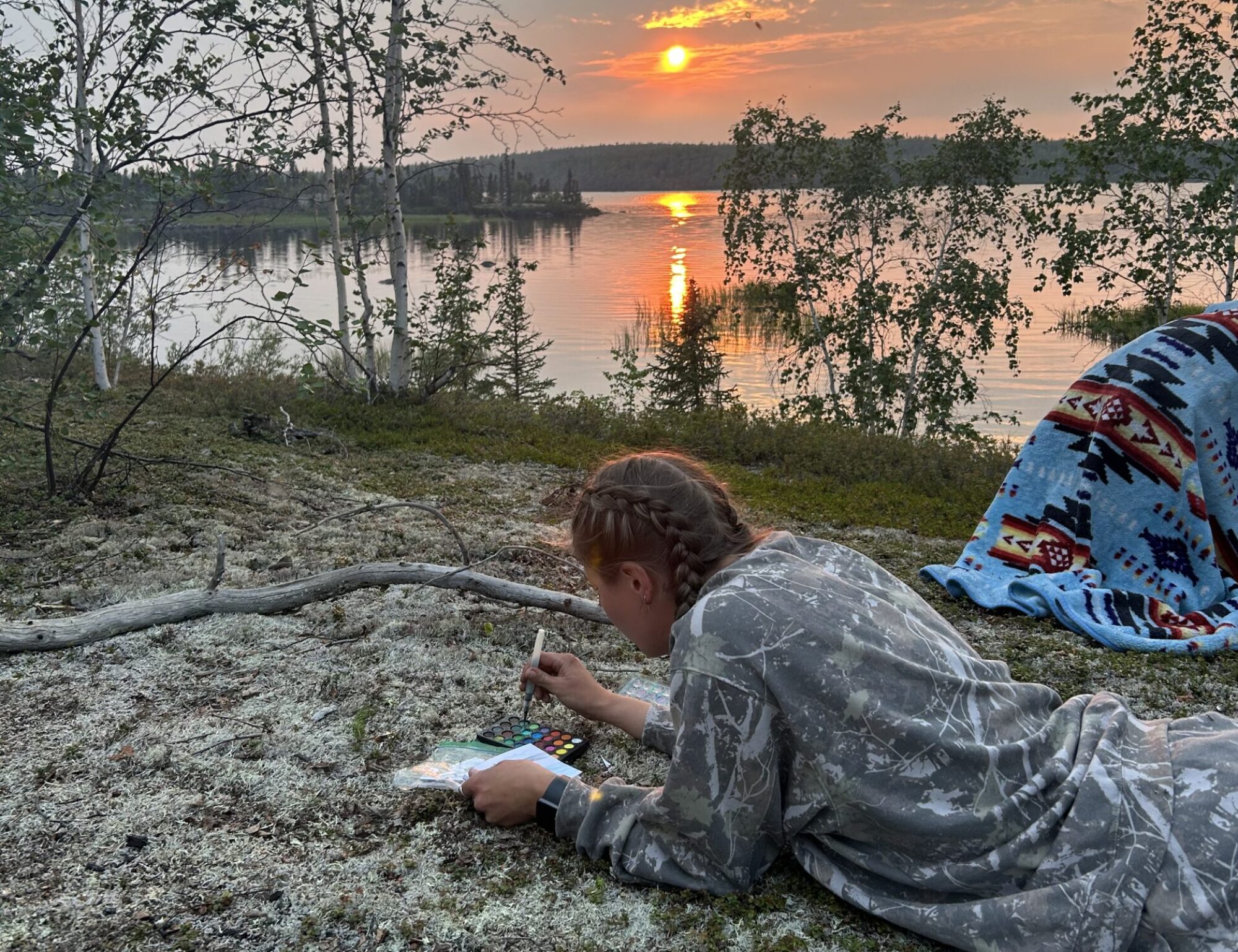
In a Grade 2 classroom, I would respond to this call to action by focusing on place-based and community-based learning. Rather than only learning from books, I would create opportunities for students to learn through relationships, stories, and connections to the land. This reflects the First Peoples Principles of Learning, which emphasize that learning is rooted in relationships, identity, and place.
For example, students could participate in activities that explore their connection to where they live, such as going outside, observing the land, or sharing stories about their families and communities. These experiences help students understand that everyone has a unique background and connection to place.
As a follow-up, students could create a drawing or short reflection about their community, family, or a place that is meaningful to them. This encourages them to think about their own identity while also learning to respect the identities of others.
As an educator, I believe it is my role to create a classroom environment that values relationships, respect, and cultural understanding. By focusing on connection and community, students can begin to develop empathy and awareness in ways that feel meaningful and appropriate for their age. This supports reconciliation by helping students understand the importance of identity, belonging, and respect for all people.