Learning through relationships, grounded in place, and growing with purpose.
First Peoples Principles of Learning
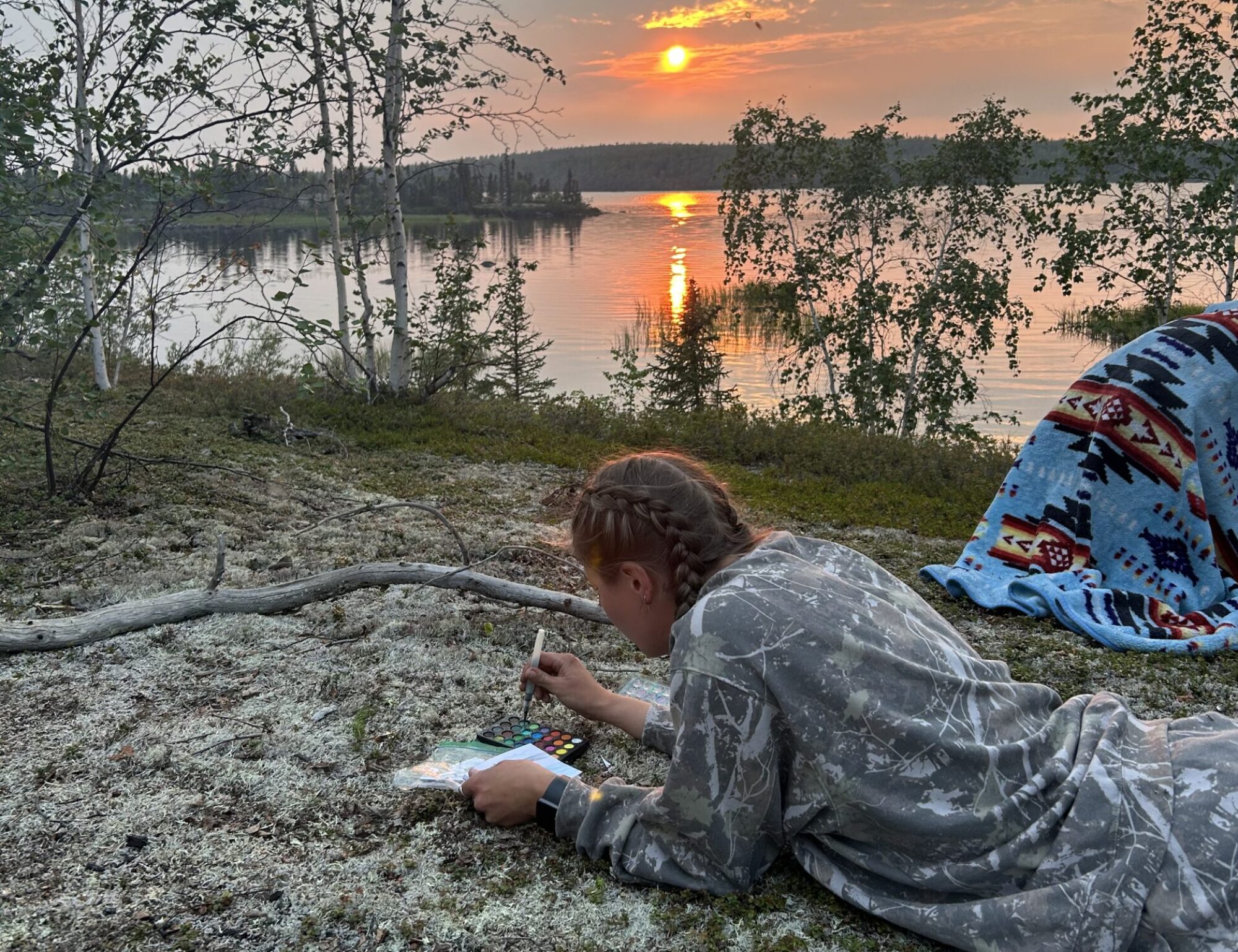
First Peoples Principles of Learning – Reflection The First Peoples Principles of Learning are deeply meaningful to me as I continue to grow into my role as an educator. These principles emphasize that learning is holistic, connected to the land, and rooted in relationships, identity, and community. They reflect ways of knowing and learning that I connect to both personally and professionally. Growing up in the North, I experienced learning in ways that were not always structured or classroom-based. Much of what I learned came from being on the land, observing, listening, and learning through experience. Because of this, I value learning that is hands-on, relational, and connected to place. These experiences continue to shape how I understand teaching and learning today. The First Peoples Principles remind me that learning is not only about academic success, but also about supporting the whole child. This includes their emotional, cultural, and social well-being. I believe it is important to create classroom environments where students feel safe, respected, and connected—both to each other and to their learning. I also connect strongly to the idea that learning takes time and involves patience and reflection. Every student learns in their own way and at their own pace, and it is my role as an educator to support that journey. This means being flexible, responsive, and open to learning alongside my students. As an Indigenous student and future educator, I feel a responsibility to honour these principles in my practice. I aim to create learning experiences that are meaningful, respectful, and connected to students’ identities and communities. By doing so, I hope to support a classroom environment where all students feel valued and where learning is seen as a shared and ongoing process.